Hard Floor Cleaning in N19: Practical Care for Cleaner, Safer, Better-Looking Floors
Why hard floor cleaning in N19 matters

Hard floor cleaning in N19 is about more than appearance. In busy homes, rental properties, offices, shops, schools, and shared buildings, floors take constant wear from dirt, grit, shoes, spills, pets, and daily traffic. Over time, that buildup can make even a good floor look tired, dull, and neglected. With the right cleaning routine, hard flooring can stay bright, hygienic, and much easier to maintain.
Whether the surface is tile, vinyl, laminate, stone, wood, or polished concrete, every material needs the right method. That is where professional hard floor cleaning in N19 becomes valuable. A proper approach removes grime without damaging the finish, protects the surface from premature wear, and helps extend the life of the floor.
For property owners in N19, this matters for both presentation and practicality. A well-kept floor supports a better first impression, reduces slip risks, and can improve the overall feel of a space. Clean floors are not just cosmetic; they are part of good property care and everyday comfort.
What hard floor cleaning in N19 typically includes
More than a quick mop
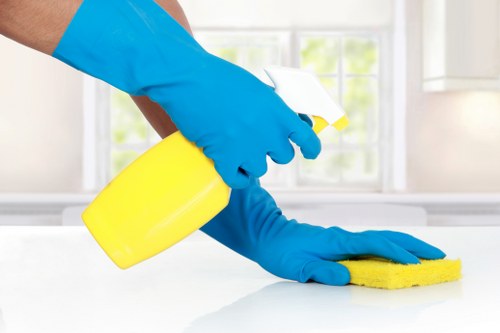
Many people think hard floor cleaning in N19 is simply mopping with a standard detergent. In practice, a proper service is more detailed. It often starts with identifying the floor type, checking its finish, and understanding where the worst soiling has built up. That assessment matters because the wrong product or tool can leave streaks, etching, scratches, or residue.
A thorough service may include dry debris removal, targeted spot treatment, deep scrubbing, machine cleaning, polishing, buffing, or resealing depending on the floor. The cleaning method should always match the material. For example, natural stone needs pH-neutral products, while sealed vinyl may benefit from machine scrubbing and careful rinsing.
The best hard floor cleaning in N19 balances appearance, protection, and long-term maintenance. A clean floor should look better immediately, but it should also be easier to keep clean afterward.
Common service steps
- Inspection of the floor type and condition
- Removal of dust, grit, and loose debris
- Pre-treatment of stains, marks, and traffic lanes
- Machine or manual deep cleaning
- Rinsing or residue removal where needed
- Drying, buffing, or finishing for presentation
Floor types commonly cleaned in N19

Hard floor cleaning in N19 covers a wide mix of domestic and commercial surfaces. Knowing the material is essential because each floor reacts differently to moisture, friction, and chemical products. Good cleaning is tailored, not generic.
Tile and grout floors are common in kitchens, bathrooms, hallways, and retail spaces. They often collect grease, soap residue, and darkened grout lines. Vinyl and LVT floors are popular for durability, but they still need careful cleaning to preserve the finish. Laminate needs a controlled approach with minimal water. Natural stone such as marble, limestone, travertine, and slate can be beautiful but sensitive. Wood floors require special care to avoid swelling, dulling, or surface damage. Concrete and industrial finishes may need heavier-duty methods depending on use.
Each floor type benefits from an appropriate cleaning plan. That is why hard floor cleaning in N19 should always begin with the material itself rather than the stain alone. A stain may look the same on the surface, but the solution is often different from floor to floor.
Examples of floor-specific care
- Tile: deep cleaning to lift dirt from grout and textured surfaces
- Vinyl: gentle machine scrubbing and residue-free rinsing
- Laminate: low-moisture cleaning with careful drying
- Stone: specialist products and non-acidic solutions
- Wood: controlled cleaning with attention to finish and moisture level
Signs your floor needs professional attention
What to look for before damage gets worse

There are clear signs that hard floor cleaning in N19 is overdue. The most obvious is a dull or cloudy appearance that does not improve with regular cleaning. You may also notice sticky patches, dark footpaths, uneven shine, scuff marks, or visible buildup near corners and edges. In commercial spaces, this can happen quickly because of heavy footfall and constant surface contact.
Stains that keep returning are another warning. If marks reappear after mopping, the problem may be residue trapped in the surface rather than simple surface dirt. Grout lines can also become discoloured, making the whole floor look older than it is. In some cases, a floor can feel slippery even when it appears clean, which suggests a film of product or grease has not been removed properly.
When these problems are left too long, the floor may require more intensive restoration later. Routine hard floor cleaning in N19 is usually less expensive and less disruptive than repairing preventable wear. Acting early helps protect the floor and keeps the space presentable.
Common warning signs
- Visible dullness or loss of shine
- Sticky or greasy feel underfoot
- Scuffing and black heel marks
- Darkened grout or seams
- Patchy colour or uneven finish
- Persistent odours from trapped residue
Benefits of regular hard floor cleaning in N19
Regular hard floor cleaning in N19 brings practical benefits that go beyond appearance. One of the biggest advantages is safety. Dirt, spills, and residue can create slipping hazards, especially on smooth or polished floors. Keeping surfaces clean helps reduce risk for residents, staff, customers, and visitors.
There is also the issue of durability. Grit behaves like sandpaper. Every time it is walked over, it can grind into the floor finish and speed up wear. Consistent floor cleaning removes that abrasive layer before it causes visible damage. This is especially important in high-traffic properties across N19, where floors may be used from early morning to late evening.
Another major benefit is visual consistency. Clean floors make a property feel more cared for, more professional, and more comfortable. In a home, that means easier daily living. In a business, it supports brand image and customer trust. A well-maintained floor sends a clear message about standards.
Key benefits at a glance
- Improved hygiene and easier upkeep
- Reduced slip and trip risks
- Longer life for floor materials and finishes
- Better appearance in residential and commercial spaces
- Less buildup of allergens, dust, and grime
- Lower risk of expensive restoration work later
How hard floor cleaning in N19 is done professionally
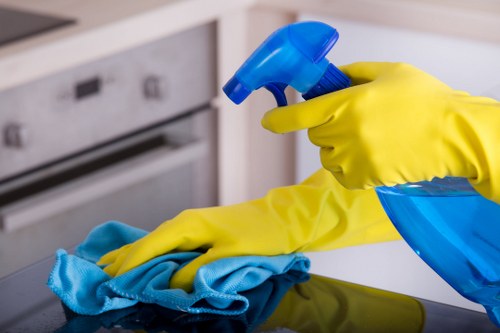
A professional approach to hard floor cleaning in N19 usually starts with a site assessment. This helps identify the floor type, level of soil, any problem areas, and the safest products to use. Once the plan is clear, loose dirt is removed first. This step matters because moving grit around with wet cleaning can create scratches and spread contamination.
After that, specialist cleaning solutions and equipment are used. Depending on the surface, that may mean rotary machines, pads, microfiber tools, wet extraction, steam in suitable situations, or controlled manual work. For deep soiling, dwell time may be allowed so that the cleaner can break down dirt before agitation. Some floors may then be rinsed to remove any residue. Others may be polished, buffed, or protected with a sealant.
The best results usually come from matching the method to the floor rather than forcing one process onto everything. That is the core difference between basic cleaning and proper hard floor cleaning in N19.
Typical professional workflow
- Inspect and identify floor material
- Clear debris and dust thoroughly
- Apply suitable cleaner to affected areas
- Agitate with the correct machine or pad
- Extract or rinse away loosened soil
- Finish with drying, buffing, or protection
Residential hard floor cleaning in N19
Homes in N19 often contain a mix of flooring, and each room places different demands on maintenance. Kitchens collect grease, food spills, and water splashes. Hallways carry outdoor dirt and dust. Living rooms may show footprints, pet hair, and general traffic. Bathrooms need special attention because moisture and soap residue can build up quickly. Hard floor cleaning in N19 for homes is therefore often a room-by-room process.
Many homeowners try to stay on top of floors with regular sweeping and mopping, which is useful, but it cannot always remove embedded dirt or restore tired finishes. Over time, domestic floors may lose their original colour or sheen. A deeper clean can make a noticeable difference, especially before hosting guests, preparing a property for sale, or refreshing the home after renovations.
For residential properties, the right cleaning approach should be effective without being harsh. The aim is to protect the floor, reduce mess, and make everyday maintenance simpler.
Common household flooring challenges
- Kitchen grease and food staining
- Bathroom soap scum and moisture marks
- Hallway dirt brought in from outside
- Pet-related marks and odours
- Scuffs from furniture and daily use
Commercial hard floor cleaning in N19
Supporting businesses, shops, and shared spaces
Commercial hard floor cleaning in N19 is often driven by footfall, branding, and compliance. Offices, retail units, salons, hospitality venues, and communal areas all rely on floors that look clean and feel safe. A dirty floor can quickly affect how customers perceive a business, while a poorly maintained shared floor can create complaints from tenants or visitors.
Commercial environments often require flexible scheduling to avoid disruption. Cleaning may happen early in the morning, after closing time, or during quieter periods. The methods used may also need to account for larger surface areas, heavier traffic lanes, or specific hygiene expectations. In many cases, routine maintenance is combined with periodic deep cleaning to keep the floor in good condition all year.
Well-planned hard floor cleaning in N19 helps businesses maintain standards while reducing wear on surfaces that are expensive to replace. It is a practical investment in appearance, safety, and operational continuity.
Commercial advantages
- Better customer impression
- Cleaner and safer walking surfaces
- Reduced disruption through planned scheduling
- Longer-lasting flooring assets
- Support for hygiene and workplace standards
Choosing the right products and methods
Product choice is one of the most important parts of hard floor cleaning in N19. A cleaner that works well on one floor may damage another. Acidic products can etch sensitive stone. Excess water can warp laminate and wood. Strong alkaline solutions may leave residue or affect finishes if not rinsed properly. The safest approach is always to use products designed for the specific surface.
It also helps to think about the end result. Do you need a deep clean, a restored shine, stain removal, or routine maintenance? The answer affects the method. For example, a sealed vinyl floor may need machine scrubbing and neutral detergent, while a natural stone floor may require specialist treatment and careful protection. The right method preserves the finish while improving cleanliness.
When the cleaning system is chosen correctly, the floor not only looks better but also becomes easier to maintain day to day. That is one reason professional hard floor cleaning in N19 is valued by both homeowners and property managers.
What good product selection depends on
- Floor material
- Level of soil or staining
- Existing finish or sealant
- Moisture sensitivity
- Traffic level and usage pattern
Maintenance tips between deep cleans
Keep the results going longer
Hard floor cleaning in N19 works best when it is supported by sensible day-to-day maintenance. Deep cleaning resets the floor, but regular care helps preserve the result. Simple habits can make a noticeable difference and reduce the need for more intensive work later.
Dry debris should be removed often, because dust and grit cause much of the wear on hard floors. Entry mats can trap dirt before it spreads through the property. Spills should be wiped quickly to prevent staining or slipperiness. Furniture should be moved carefully, and protective pads can help reduce scuffs. Using the correct cleaner for routine upkeep is also important, especially on sensitive materials.
Good maintenance is not complicated, but it must be consistent. When paired with periodic professional hard floor cleaning in N19, it keeps floors looking cleaner for longer and reduces avoidable damage.
Simple upkeep habits
- Sweep or vacuum regularly
- Use doormats at entrances
- Clean spills as soon as possible
- Avoid excessive water on moisture-sensitive floors
- Use floor-safe cleaners only
- Protect high-traffic areas with more frequent attention
Why local service matters in N19
Choosing hard floor cleaning in N19 from a local provider can be practical for scheduling, consistency, and response time. Local knowledge matters when dealing with the variety of properties in the area, from apartments and terraced homes to shops, offices, and communal buildings. A local team is more likely to understand the pace of the neighbourhood, the typical building layouts, and the common flooring types encountered in the area.
Local service can also make it easier to arrange repeat visits or urgent cleans after events, refurbishments, or tenancy changes. This is useful for landlords, letting agents, facilities teams, and business owners who need predictable support. Because hard floors can deteriorate gradually rather than suddenly, having a regular maintenance plan is often the most efficient approach.
In practice, local hard floor cleaning in N19 is about convenience, reliability, and the right level of care for the property.
When local support is especially useful
- End of tenancy cleans
- Pre-sale property presentation
- Business opening hours and scheduling needs
- Post-renovation cleaning
- Repeat maintenance for shared buildings
Planning a floor care schedule that works
A floor care schedule should match how the space is used. Busy entrances, kitchens, and shared corridors need more frequent attention than low-traffic rooms. Hard floor cleaning in N19 works best when routine maintenance and deep cleaning are planned together. This avoids over-cleaning one area while neglecting another.
For many properties, a sensible schedule includes daily sweeping or vacuuming, routine damp cleaning as needed, and periodic deep cleaning or machine treatment. High-traffic commercial floors may need more frequent care, while some residential floors may only need specialist cleaning a few times a year. The right frequency depends on use, material, and visible wear.
Planning ahead saves time and prevents damage. Instead of waiting until the floor looks bad, it is better to use a maintenance rhythm that keeps it in good condition consistently.
Example schedule framework
- Daily: remove dust, grit, and surface debris
- Weekly: clean traffic areas and visible marks
- Monthly: inspect for wear, residue, and dulling
- Periodically: arrange deep hard floor cleaning in N19
Refresh your floors with the right approach
Hard floor cleaning in N19 is one of the most effective ways to improve the appearance, hygiene, and lifespan of a property’s flooring. Whether the space is residential or commercial, a proper clean removes built-up dirt, restores a fresher look, and supports safer day-to-day use. The key is using the right method for the right material, then keeping up with maintenance so the floor stays in better condition for longer.
If your floors look dull, feel sticky, or need more than a quick mop, it may be time for a deeper solution. The right hard floor cleaning service can transform the way a space looks and functions without unnecessary disruption. Book your service now and give your floors the attention they need.
Contact us today to arrange hard floor cleaning in N19 and keep your floors looking cleaner, brighter, and better protected.